Experience Design
- Multisensory experience design - Interaction and user journey architecture - Technology-interface empathic design frameworks - Spatial experience concepts for public architecture - Sensory identity and signage systems - Experience prototyping and validation with users
Designing the Human Interface of Innovation
Experience Design focuses on how innovation is perceived, understood and lived.
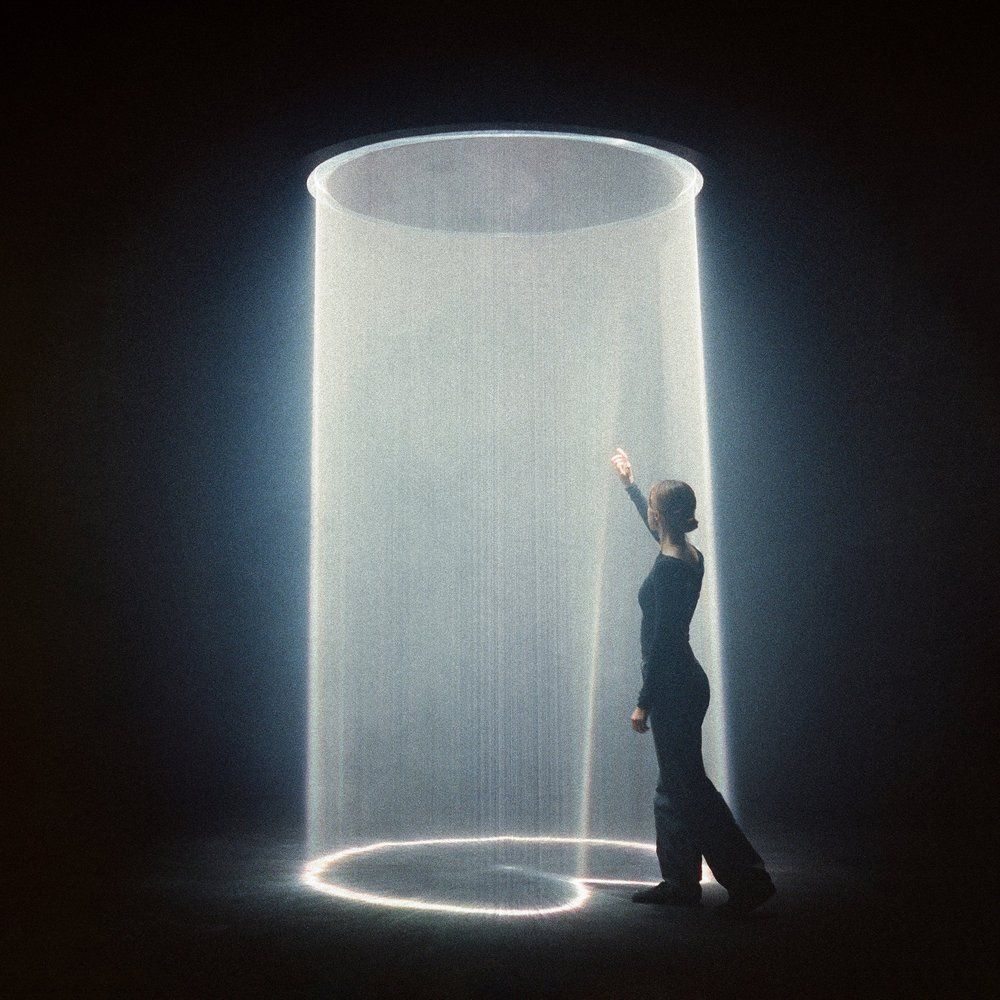
We design the human layer of complex systems, shaping how products, spaces and technologies interact with people. Our work translates scientific and technological structures into coherent sensory, spatial and cultural experiences.
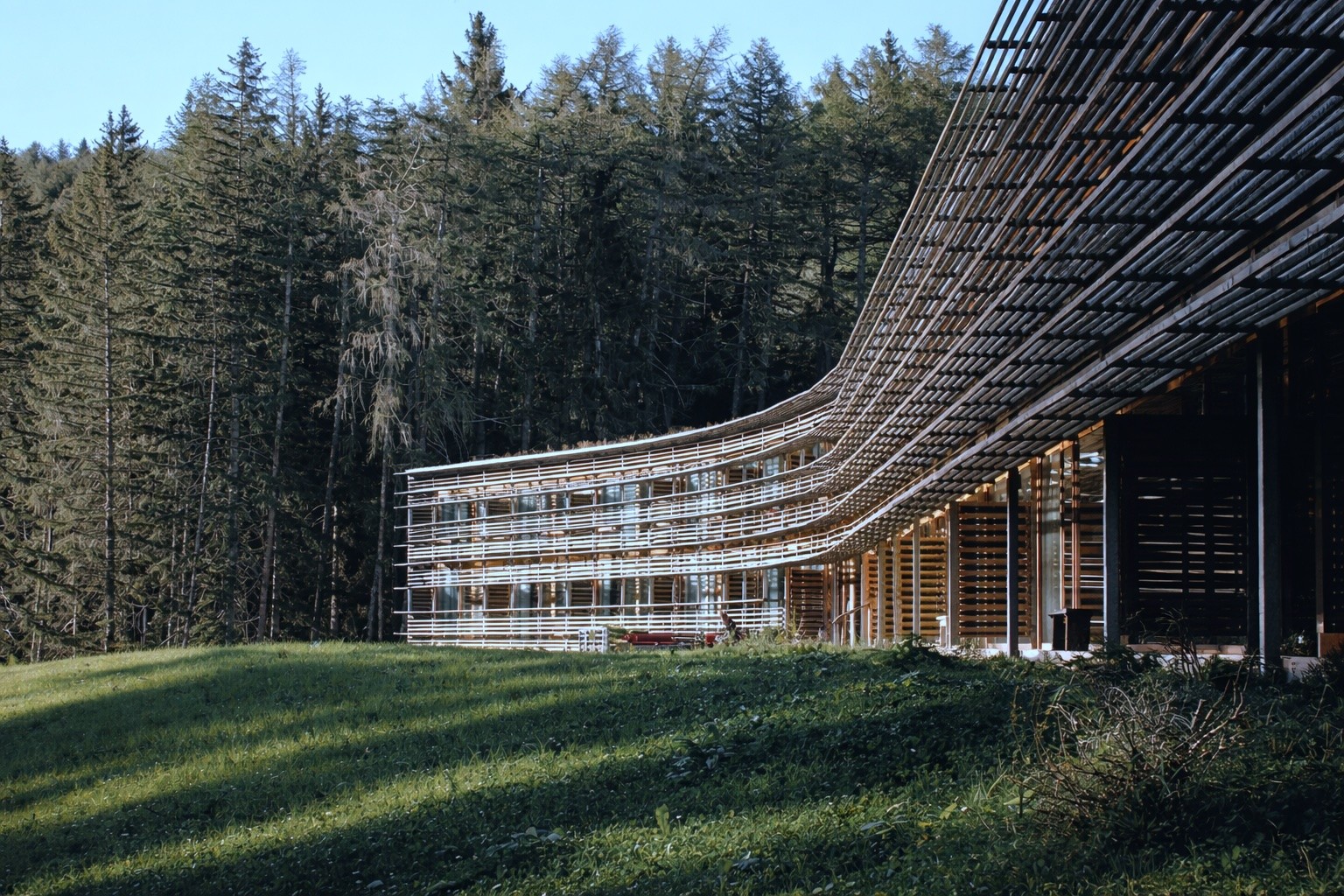
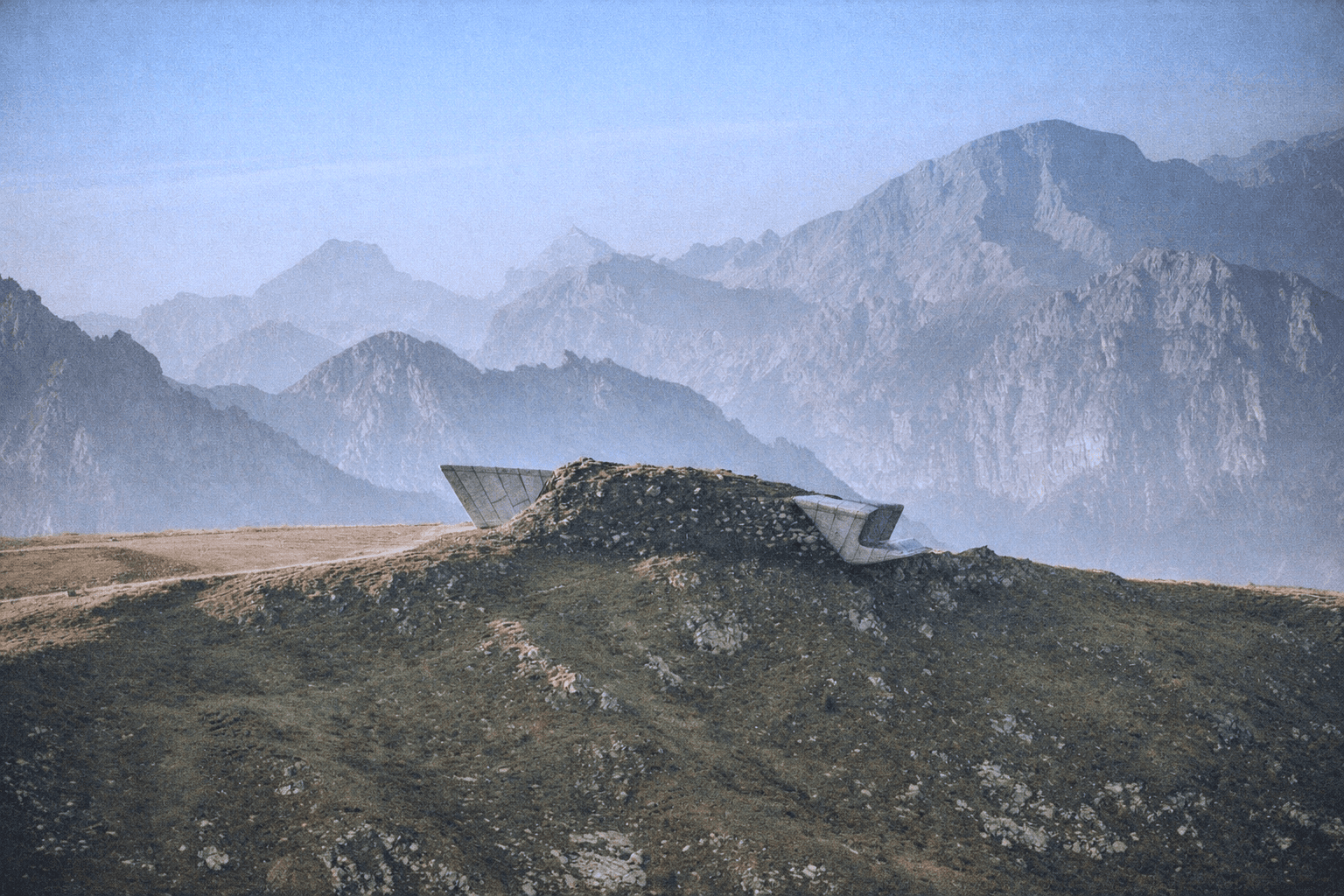
This includes multisensory environments, interaction frameworks, spatial concepts for innovation hubs and research spaces, and identity systems grounded in environmental and cultural context.
Experience Design does not build the technology itself. It defines how it is experienced, how it communicates meaning and how it integrates into real human behavior.
We treat experience as a strategic interface between innovation and society.
Designing the Human Interface of Innovation
Experience Design focuses on how innovation is perceived, understood and lived.
We design the human layer of complex systems, shaping how products, spaces and technologies interact with people. Our work translates scientific and technological structures into coherent sensory, spatial and cultural experiences.
This includes multisensory environments, interaction frameworks, spatial concepts for innovation hubs and research spaces, and identity systems grounded in environmental and cultural context.
Experience Design does not build the technology itself. It defines how it is experienced, how it communicates meaning and how it integrates into real human behavior.
We treat experience as a strategic interface between innovation and society.
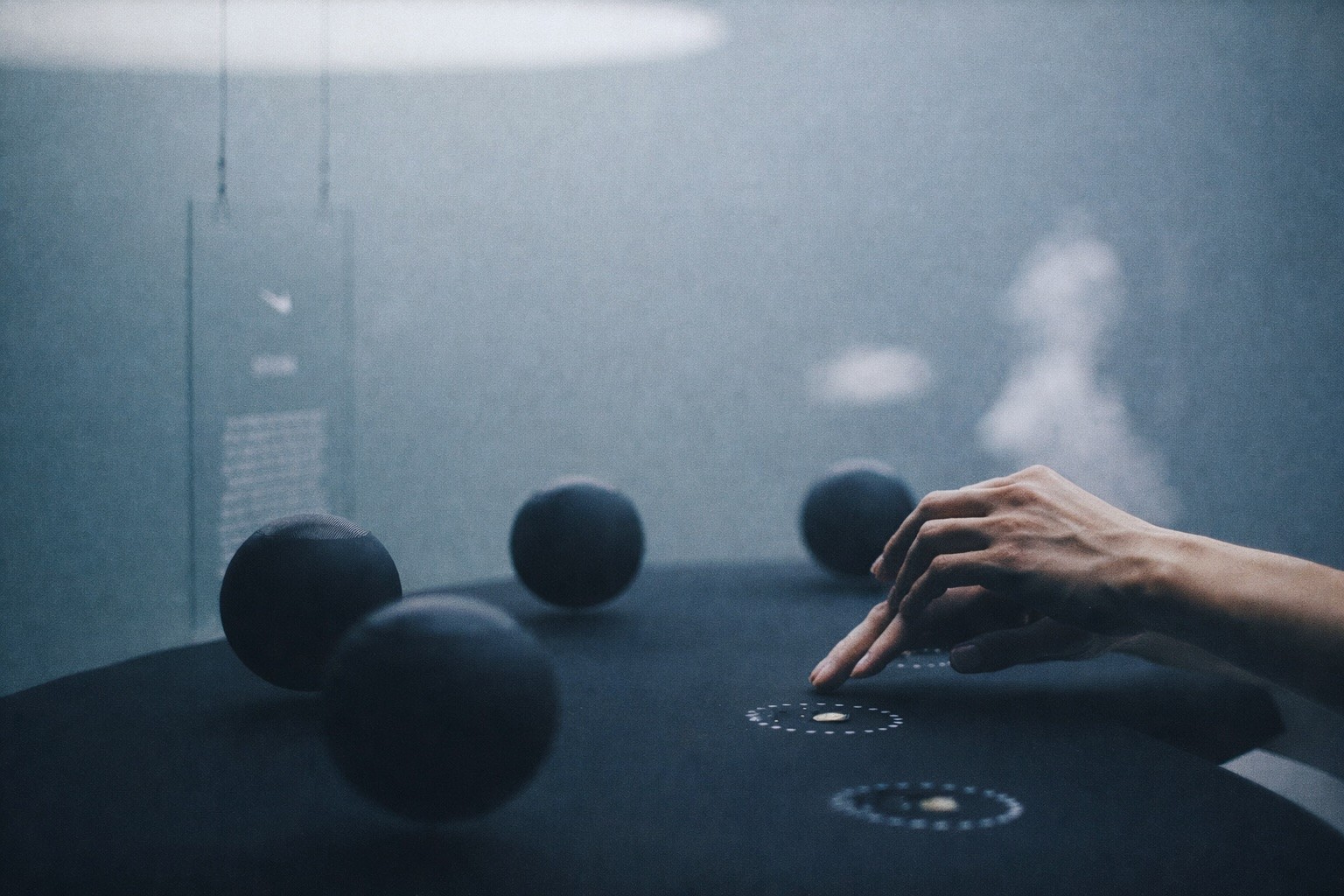

Our approach to Experience Design begins with observation. Before shaping form, we analyze behavior, context and perception. We study how people interact with technology, space and environment, and we identify where friction, meaning and emotional resonance occur. Experience is treated as a strategic interface between complex systems and human understanding.
Our approach to Experience Design begins with observation. Before shaping form, we analyze behavior, context and perception. We study how people interact with technology, space and environment, and we identify where friction, meaning and emotional resonance occur. Experience is treated as a strategic interface between complex systems and human understanding.

We then translate scientific and technological structures into coherent sensory and spatial frameworks. This includes materiality, light, sound, interaction logic and narrative positioning. The goal is not decoration but clarity. Every experiential layer must reinforce the underlying system, making innovation intuitive, culturally grounded and enduring.
We then translate scientific and technological structures into coherent sensory and spatial frameworks. This includes materiality, light, sound, interaction logic and narrative positioning. The goal is not decoration but clarity. Every experiential layer must reinforce the underlying system, making innovation intuitive, culturally grounded and enduring.